Date Published: October 2026
Why Small Indulgences Have Become Emotional Coping Mechanisms
In the modern economy, the concept of treating oneself has evolved from occasional indulgence to a daily ritual. The “little treat” — a $7 oat milk latte, a small candle, a single piece of designer chocolate — has become less about consumption and more about psychological survival. What was once considered an occasional splurge has become a way for consumers to find a little happiness in their everyday routines. And while these purchases may seem insignificant, they reveal something much bigger about how people are navigating today’s financial pressures.
This phenomenon sits at the intersection of behavioral economics and consumer psychology. When major financial milestones feel increasingly out of reach — homeownership, retirement savings, economic stability — the human mind redirects its reward-seeking behavior toward accessible pleasures.
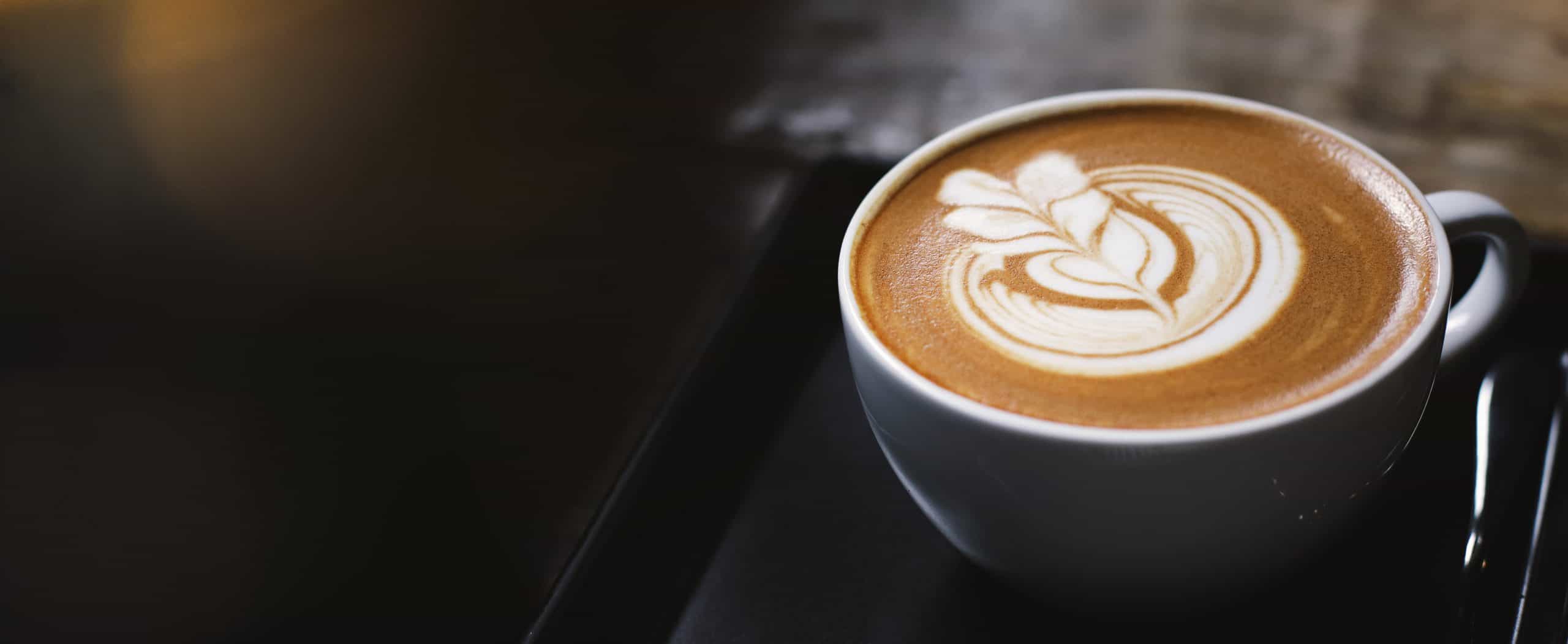
After all, when buying a home feels impossible or saving for retirement seems overwhelming, spending $7 on a favorite coffee feels like a small, attainable victory. It’s an immediate reward in a world where the bigger rewards seem to require years of patience, sacrifice, and uncertainty.
The Psychology Behind the Purchase
The behavioral economics behind this shift is fascinating. Prospect theory tells us that people evaluate gains and losses relative to a reference point. When the reference point for “success” feels impossibly distant, we recalibrate. The little treat becomes a micro-achievement, a daily proof that we can still exercise agency in our economic lives.
There’s also something comforting about instant gratification. Unlike saving for a down payment or building long-term wealth, which can take years to accomplish, a small purchase provides an immediate sense of satisfaction. It’s something consumers can enjoy right now, without waiting for their financial circumstances to improve.
When Social Media Makes Treating Yourself a Trend
Social media has accelerated this cultural shift dramatically. Platforms like TikTok and Instagram have created entire aesthetic ecosystems around small purchases. The act of buying becomes content; consumption becomes performance; and the treat becomes both the reward and the signal.
From elaborate coffee orders to skincare products and spontaneous shopping trips, the message is often the same: you’ve worked hard, you’ve had a stressful day, and you deserve something nice. What makes this trend particularly interesting is how relatable it has become across generations, especially among younger consumers who are navigating higher living costs and an uncertain financial future.
A Small Sense of Control in an Unpredictable Economy
But there’s a deeper behavioral insight here. Little treat culture is fundamentally about control. In an economy that feels increasingly unpredictable, the ability to choose a small pleasure — to decide, to purchase, to enjoy — represents a form of economic agency that larger financial decisions no longer provide.
And it’s not necessarily about being financially irresponsible. For many consumers, these purchases are a way to create small moments of enjoyment without committing to something expensive. A weekend getaway might be out of the budget, but a fancy coffee on Friday morning? That feels manageable. The implications for understanding modern consumer behavior are significant. Brands that understand this psychology aren’t just selling products; they’re selling moments of emotional regulation. The treat is the therapy, and the purchase is the prescription.
Harmless Happiness or a Financial Trap?
Of course, there’s another side to this trend. While an occasional indulgence may provide a welcome emotional boost, those small purchases can add up over time. A $7 coffee five days a week amounts to more than $1,800 annually. That doesn’t mean consumers should eliminate every small pleasure, but it does raise questions about the balance between immediate happiness and long-term financial goals.
As behavioral economists, we must ask: is little treat culture a rational adaptation to economic reality, or a behavioral trap that prevents larger financial planning? The answer, perhaps uncomfortably, might be both.
Ultimately, little treat culture tells us something important about today’s consumers. People haven’t necessarily stopped dreaming about big financial milestones. They’re simply finding smaller ways to feel rewarded while working toward them. And in a world where so much feels outside our control, sometimes a $7 latte is about a lot more than just coffee.
Source: Psychonomics
April, 2026
https://psykonomics.netlify.app/essays/the-psychology-of-little-treat-culture
By Mary Jo Price