Date Published: November 2026
A Texas friend of mine commented before the recent Midterm elections that he “probably wouldn’t vote because his one vote won’t make a difference and that it wasn’t worth standing in line for a few hours…”
It’s easy to see where that thought process came from. If you are in a state that has provided the same political results for decades without a close margin, many people get complacent about voting, thinking their “one vote” isn’t necessary or needed.
Nothing could be further from the truth. Using the recent Midterms as an example, check out these stats as of last Wednesday:
- Mississippi’s Democratic Senate candidate Scott Colom led incumbent Cindy Hyde-Smith by just 65 votes, with 96% of the votes calculated
- In Minnesota, the US House race between Jake Johnson and Brad Finstad had a margin of 0.1%. Just 350 votes separated the two candidates.
- Sixteen races were separated by a margin of 1% or fewer, with 95% of votes counted. Many were separated by fewer than 100 votes.
There are similar examples going back over decades of election stats.
Not only does your vote count, it represents the power to shape the future for not only yourself but your children and their children as well. The bigger picture behind the right for all to vote (yes, I said right) was a hard-fought battle for many.
The Opportunity That Did Not Come Easily
There are certain rights we exercise so often that it can be easy to forget just how much was sacrificed to secure them. The right to vote is one of those rights. Every election, we are given the opportunity to make our voices heard, influence the direction of our country, and participate in the decisions that shape our lives. But that opportunity did not come easily, and it certainly did not come equally. The right to vote is more than simply checking a box on a ballot. It represents generations of people who fought, marched, protested, endured discrimination, and, in many cases, risked their lives so that future generations could have a say in their own government.
When the United States was founded, voting was largely restricted to white men, and in many places, property ownership was required. Women, Black Americans, Native Americans, and many others were excluded from the democratic process. The idea that every citizen should have an equal voice was a principle that our country would spend generations trying to live up to.
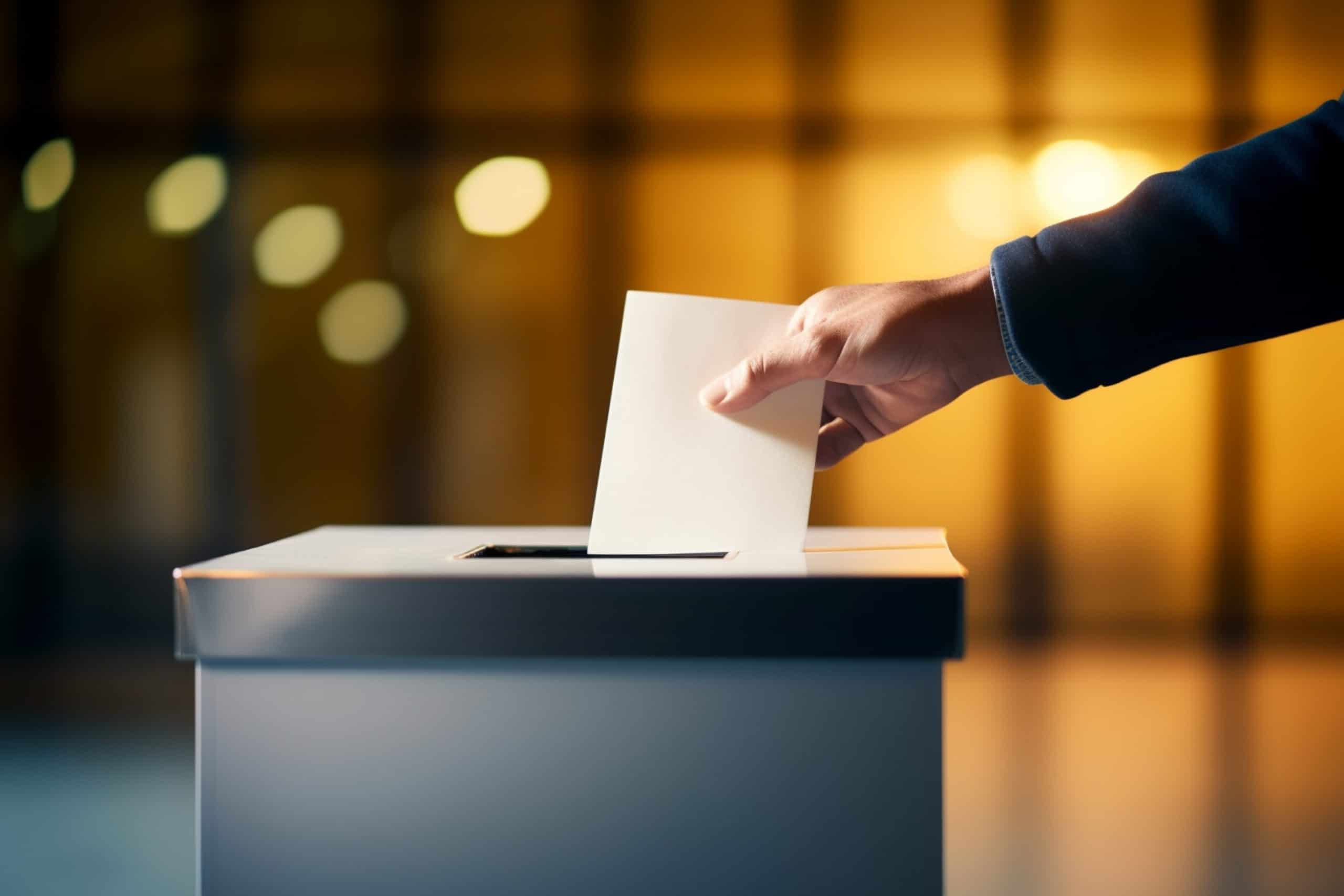
The Fight for Voting Rights Has Been Long and Often Painful
In the 1800s, the abolitionist movement challenged the institution of slavery and helped lay the groundwork for the 15th Amendment, which prohibited denying the right to vote based on race. The promise of that amendment was repeatedly undermined through intimidation, discriminatory laws, poll taxes, literacy tests, and violence.
Women fought for decades to secure their own voting rights. The suffrage movement included generations of women who organized, protested, and challenged a society that believed political participation was not their place. In 1920, the 19th Amendment prohibited denying the right to vote based on sex. Yet many women of color continued to face barriers that prevented them from fully exercising that right.
The struggle continued well into the 20th century. During the civil rights movement, Americans marched, organized, and risked their lives to challenge voter suppression. The violence faced by peaceful demonstrators, including the events of Bloody Sunday in Selma, Alabama, helped bring national attention to the need for change. In 1965, the Voting Rights Act was signed into law, creating powerful protections against racial discrimination in voting. And even then, the fight was not over. Native Americans, young adults, and other groups continued to push for equal access and representation. The 26th Amendment, ratified in 1971, lowered the voting age to 18.
Each of these milestones represents something important: the right to vote was not simply handed to us. It was fought for by people who believed that their voices mattered, even when the world around them told them otherwise.
Why Voting Still Matters Today
It can be tempting to believe that one vote does not make a difference. We may feel disconnected from politics, frustrated with the choices presented to us, or convinced that the system is too complicated to understand. But the truth is that voting is one of the most direct ways we can participate in shaping our future.
The decisions made by elected officials affect our schools, our communities, our economy, our healthcare, our neighborhoods, and the opportunities available to the next generation. From local school boards to state legislatures and the federal government, the people we elect have an influence on the policies that touch our everyday lives.
Voting is also about representation. It is about ensuring that the concerns of our communities are heard. Also, that the people making decisions understand the lives of the people they represent. And perhaps most importantly, voting is about responsibility. We may not always agree with one another. We may have different beliefs, priorities, and perspectives. That is part of what makes a democracy work. The right to vote gives us a peaceful and meaningful way to express those differences and help determine the direction of our country.
The next time we have the opportunity to cast a ballot, we should remember that it is more than a civic duty. It is a privilege, a responsibility, and a reminder of how far we have come. Our voices matter. Our choices matter. And the right to vote is worth exercising every single time.
By Mary Newberry